SPEAKING MORE FREELY
In this unit we learn how teachers can help children to speak for a longer time.
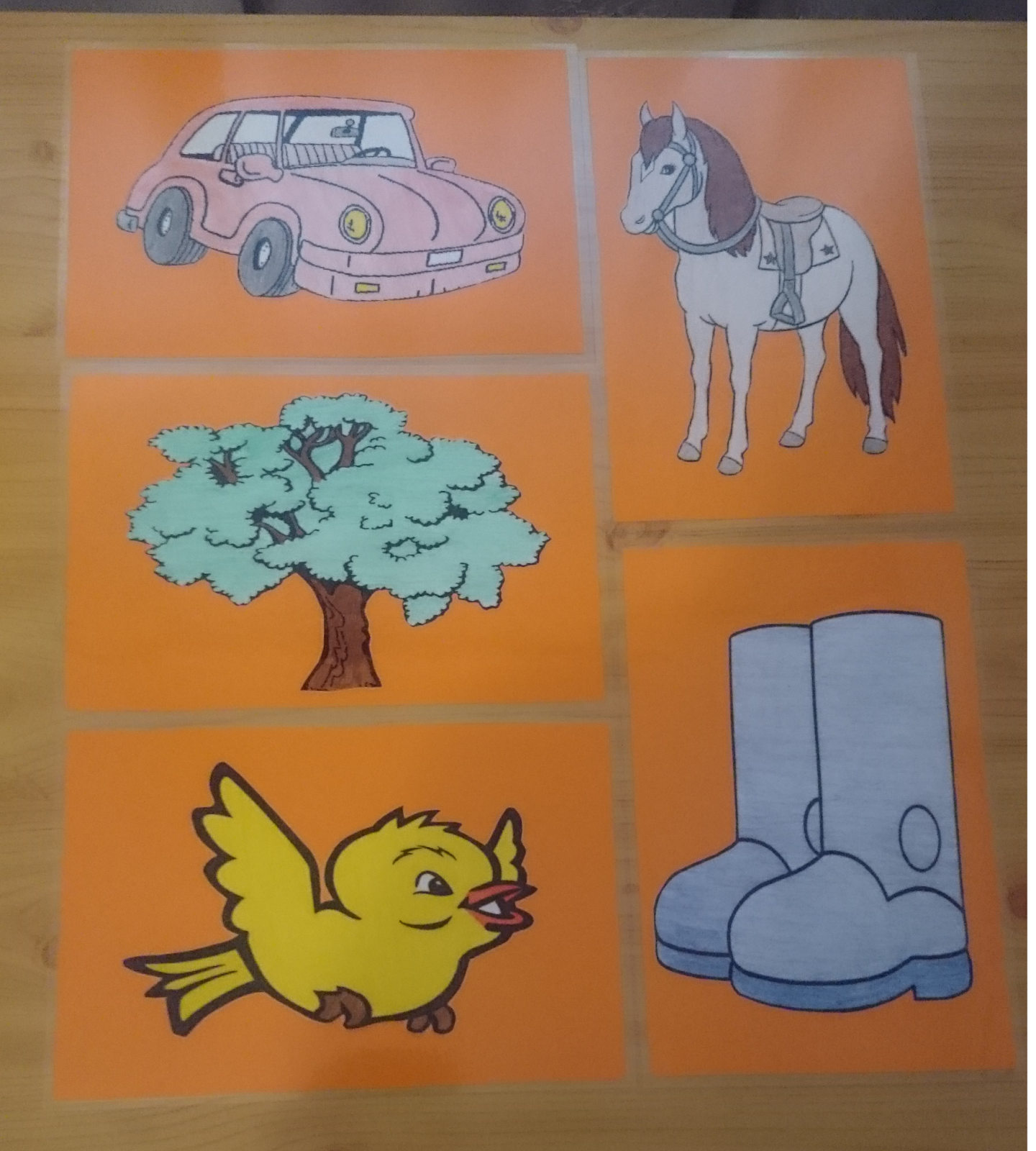
Firstly, when we work in a second language with very young learners we have to keep in mind the Cognitive development and language learning and for that it is necessary to choose a suitable topic which can be familiar or interesting to them, for example about festivals or cartoons. If it is the first time we can work with this theme we will introduce it with pictures or realia. On the contrary if they already know some things about it we explain two or three more. In any case we will begin with basic contents and step by step we will add others more complex.
We can make different kinds of activities in order to develop the English oral skills, for example listing, rdering and sorting, matching, comparing, predicting and problem-solving, sharing personal experiences or creative works.
As has been said in the above posts, if we want to get an effective learning in pupils we have to speak in English slowly, to repeat a lot, to listen them carefully, to reinforce their contributions, and also to provide them attractive activities which motivate them and where they learn something useful in their daily life.
In addition in the second part Starting to speak freely-eliciting personal talk, they tell us that it is pretty positive talking about their families and personal life, because they love it and everyone wants to participate. To give an example if you talk about the family you can ask them about the brother or sisters which have each one and later introducing vocabulary about this topic (mother, father, grandparents,...) or if they have already acquired that contents you can compare or make a list about the differences between one and another.
Furthermore, we can use Speaking games where children learn while they are playing, in this way they practice vocabulary, verbs or expressions about many different topics. We have a lot of things to carry out them (flashcards, balls, realia, ...) In these kinds of games, in which the whole class participates, we promote cooperative work and the knowledge of their peers.
In nursery education we can make mime games about simple actions or vocabulary for instance imitating how walks a grandfather or actions like eat, sleep,...
To end, in the last point Children speaking in groups they explain that not all children like speaking in public or in front of a big group, because they are shy. So we can provide them activities in smalls group or in pairs in order to benefit to the all children, and thus they get more confident and they will be at ease with the English. In this way the students have more opportunities to practice and there are many sorts of dynamics to do, for example looking for the differences between two pictures, imitating to somebody or something,...
In my opinion, the methods and tips I have learnt in this unit are very useful for our future as teachers because they have shown us how pupils learn and many activities to meet the need and requirements of them. I think we can use them in primary and also in nursery education because they propose a methodology based in the learning in a funny and attractive way.
See you on the next post!
M.R.M.
We can make different kinds of activities in order to develop the English oral skills, for example listing, rdering and sorting, matching, comparing, predicting and problem-solving, sharing personal experiences or creative works.
As has been said in the above posts, if we want to get an effective learning in pupils we have to speak in English slowly, to repeat a lot, to listen them carefully, to reinforce their contributions, and also to provide them attractive activities which motivate them and where they learn something useful in their daily life.
In addition in the second part Starting to speak freely-eliciting personal talk, they tell us that it is pretty positive talking about their families and personal life, because they love it and everyone wants to participate. To give an example if you talk about the family you can ask them about the brother or sisters which have each one and later introducing vocabulary about this topic (mother, father, grandparents,...) or if they have already acquired that contents you can compare or make a list about the differences between one and another.
Furthermore, we can use Speaking games where children learn while they are playing, in this way they practice vocabulary, verbs or expressions about many different topics. We have a lot of things to carry out them (flashcards, balls, realia, ...) In these kinds of games, in which the whole class participates, we promote cooperative work and the knowledge of their peers.
In nursery education we can make mime games about simple actions or vocabulary for instance imitating how walks a grandfather or actions like eat, sleep,...
To end, in the last point Children speaking in groups they explain that not all children like speaking in public or in front of a big group, because they are shy. So we can provide them activities in smalls group or in pairs in order to benefit to the all children, and thus they get more confident and they will be at ease with the English. In this way the students have more opportunities to practice and there are many sorts of dynamics to do, for example looking for the differences between two pictures, imitating to somebody or something,...
In my opinion, the methods and tips I have learnt in this unit are very useful for our future as teachers because they have shown us how pupils learn and many activities to meet the need and requirements of them. I think we can use them in primary and also in nursery education because they propose a methodology based in the learning in a funny and attractive way.
See you on the next post!
M.R.M.